Written by: Naama Barak, Israel21c.org
Article source: unitedwithisrael.org
Aggressive, drug-resistant bacteria can be controlled if treated within a short timeframe, researchers determine.
One of the scariest things about being admitted to the hospital is the possibility of catching some dangerous, drug-resistant superbug.
The chances of that happening could become slimmer with a new discovery from Israeli researchers, who found that aggressive bacteria can be controlled if treated within a specific timeframe.
Like all living organisms, bacteria develop defenses against hostile elements in their environment – in their case, antibiotics. They can do so by acting “tolerant” and lying dormant during antibiotic treatment which misses them, since it only knows how to spot and kill growing targets. After evading this round of treatment, the bacteria become resilient.
It’s this “tolerant” stage that Prof. Nathalie Balaban from the Hebrew University of Jerusalem and Dr. Maskit Bar-Meir from Shaare Zedek Medical Center have tackled, with their findings recently published in Science magazine.
Bearing in mind that the tolerance stage lasts only a few days and can’t be detected in standard medical labs, the two developed a lab test that gauges antibiotic tolerance. This means that doctors can now administer the correct medication within this narrow timeframe before resistance sets in.
In a previous study, Balaban developed a mathematical model that described, measured and predicted when bacteria would develop tolerance to a particular antibiotic. Now, Balaban repeated the study together with Bar-Meir, this time analyzing daily bacterial samples from hospitalized patients with life-threatening, persistent MRSA (methicillin-resistant Staphylococcus aureus) infections.
Like in the lab, the bacteria developed tolerance followed by resistance, leading to the failure of antibiotic treatment.
If medical centers adopt this lab test, doctors could quickly and easily detect whether a patient’s bacteria are tolerant of a planned antibiotic treatment before it’s administered. Based on the patient’s bacteria profile, doctors could also handpick antibiotics with a greater chance of success.
“Using the right combination of available antibiotic drugs at the outset could dramatically increase a patient’s survival rate before their infection becomes tolerant to all the antibiotics in our arsenal,” Balaban explained.
Click here to KEEP UPDATED on the latest news by subscribing to our FREE weekly newsletter.
Date published: 28/01/2020
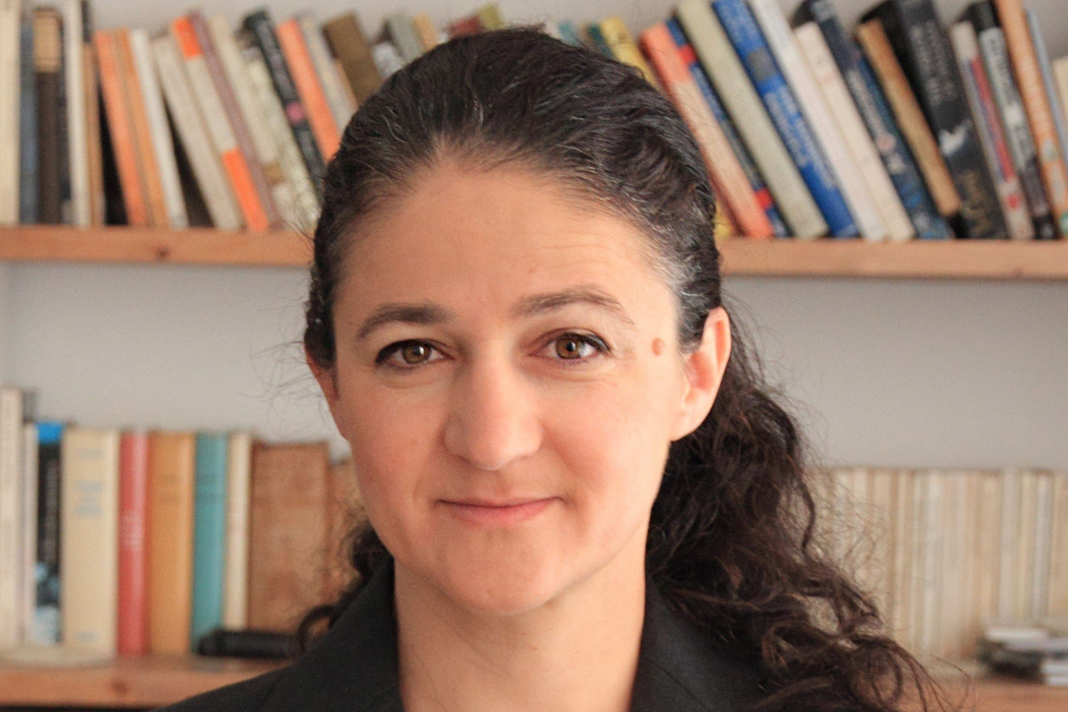
Feature image: Prof. Nathalie Balaban. (Hebrew University)
DISCLAIMER
JOY! News is a Christian news portal that shares pre-published articles by writers around the world. Each article is sourced and linked to the origin, and each article is credited with the author’s name. Although we do publish many articles that have been written in-house by JOY! journalists, we do not exclusively create our own content. Any views or opinions presented on this website are solely those of the author and do not necessarily represent those of the company.