


Written by: Liezl Erlank
Article source: JOY! Magazine
At the core of the Gospel is a simple yet powerful command: to love our neighbours as ourselves (Mark 12:31). Compassionate care is not just an optional virtue for believers; it is a direct reflection of God’s character – a God who creates, sustains, heals, and restores. Through compassionate care, we mirror Christ’s love, extending hope, healing, and justice to the most vulnerable among us. Missional University has embraced this divine calling by creating programmes to equip individuals to be able to engage in compassionate care initiatives that address global health challenges and justice vulnerabilities.
What is compassionate care?
Compassionate care is a holistic approach that recognises the physical, emotional, and spiritual needs of individuals. It goes beyond medical treatment to include empathy, presence, and restoration. As Jesus healed the sick, comforted the afflicted, and welcomed the marginalised, Missional University seeks to cultivate a new generation of missional leaders who will do the same in their communities.
Key aspects of compassionate care include:
- Holistic attention – Addressing physical, emotional, and spiritual well-being: “The thief comes only to steal and kill and destroy; I have come that they may have life, and have it to the full” (John 10:10).
- Empathy and presence – Being present in people’s suffering and offering comfort: “Praise be to the God and Father of our Lord Jesus Christ, the Father of compassion and the God of all comfort, who comforts us in all our troubles, so that we can comfort those in any trouble with the comfort we ourselves receive from God” (2 Cor 1:3-4).
- Practical support – Integrating medical expertise, pastoral care, and community support: “Carry each other’s burdens, and in this way you will fulfill the law of Christ” (Gal 6:2).
- Restoration and hope – Recognising suffering as part of our fallen world while trusting in God’s promise of renewal: “He will wipe every tear from their eyes. There will be no more death or mourning or crying or pain, for the old order of things has passed away” (Rev 21:4).
Tackling local health vulnerabilities
Graduates from Missional University will be equipped to strategically design compassionate care initiatives to confront the world’s most pressing health challenges. In South Africa, where access to healthcare remains a challenge for many, these initiatives can focus on bridging the gap between medical intervention and spiritual support.
Addressing South Africa’s health crisis
South Africa faces significant health challenges, including:
- HIV/AIDS and tuberculosis (TB) – Despite medical advances, these diseases remain prevalent in underserved communities.
- Maternal and child health issues – Many rural communities lack access to quality healthcare for mothers and newborns.
- Mental health and substance abuse – High levels of poverty and trauma contribute to widespread mental health struggles.
Through partnerships with local healthcare organisations, and programmes in epidemiology & infectious disease, global healthcare & population studies, and medical theology, Missional University is equipping students to serve in roles that address these crises with both medical proficiency and Biblical compassion.
Justice, compassion, and Gospel-centred witness
Compassionate care is not just about addressing health concerns – it is about justice, reconciliation, and redemption. Many of the health vulnerabilities in South Africa are deeply tied to systemic inequalities, including poverty, lack of education, and racial disparities in healthcare access. As Christians, we are called to seek justice and care for the oppressed (Mic 6:8) while embodying a Gospel-centered witness. Missional University integrates this Biblical mandate into its programmes, empowering students to:
- Advocate for equitable healthcare policies.
- Serve in under-resourced clinics and hospitals.
- Engage in faith-based community health initiatives.
Missional causes in action
By becoming equipped and involved in God’s mission, there are numerous compassionate care projects one can join in South Africa. Some key initiatives include:
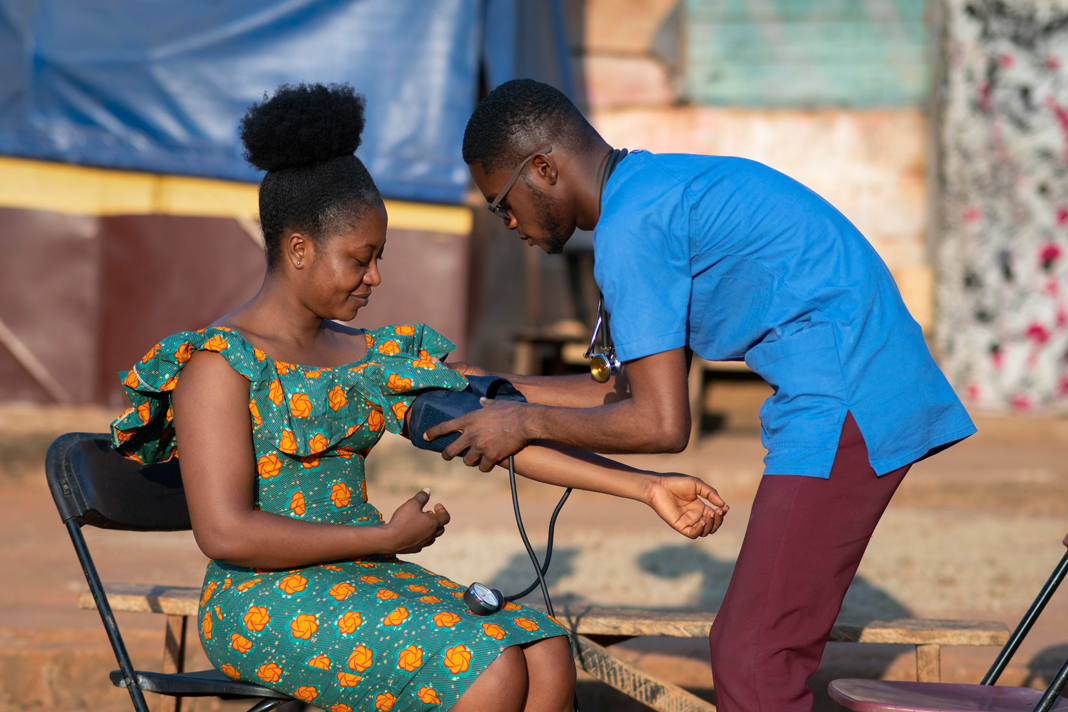
- Mobile health clinics – Providing essential medical services to remote communities.
- Mental health support programmes – Offering counseling and holistic care for individuals struggling with depression, PTSD, and addiction.
- Medical mission partnerships – Collaborating with Christian non-profits to bring healthcare and hope to marginalised communities.
- Faith-based community health education – Training local church leaders to promote health awareness and disease prevention.
Join the movement: discover your missional strengths
Compassionate care is not limited to doctors and nurses – it is a calling for every believer. Whether through advocacy, community outreach, or direct service, each of us has a role to play in God’s mission of healing and restoration. Missional University invites you to take the missionality survey to discover your unique strengths and how you can contribute to compassionate care. This free survey helps you identify where your passions and gifts align with God’s mission. Take the first step towards making a difference today.


This article is featured in the May issue of JOY! Magazine. Read a digital version of this magazine here: joygifts.co.za
Click here to KEEP UPDATED on the latest news by subscribing to our FREE weekly newsletter.
> Please support Christian media and journalism in South Africa. Help us to spread the Word of God and take a stand for the truth by making a donation to our ministry. We appreciate your support. Click here to take hands with JOY! Magazine.
Date published: 15/05/2025
Feature image: Image for illustrative purposes only. Artwork from www.freepik.com
DISCLAIMER
JOY! News is a Christian news portal that shares pre-published articles by writers around the world. Each article is sourced and linked to the origin, and each article is credited with the author’s name. Although we do publish many articles that have been written in-house by JOY! journalists, we do not exclusively create our own content. Any views or opinions presented on this website are solely those of the author and do not necessarily represent those of the company.




. Compassionate care is not...)
Hi
I completed the survey in Feb this year already but haven’t received feedback from them yet.
Could you perhaps help me in this?
Regards