Written by: INcontext International
Article source: www.incontextinternational.org
Since Uganda’s Ebola outbreak began in September this year, 55 people have died from the virus out of 141 confirmed cases, with the fatality rate at just under 40%. Of the 55 deaths, seven were healthcare workers and eight were students. The strain of the disease (Sudan Ebolavirus) has been recorded in seven Ugandan districts – Jinja, Kampala, Kassanda, Kyegegwa, Masaka, Mubende and Wakiso – and has no known vaccine or reliable treatment.
The first reported case was a 24-year-old man from Ngabano village in Mubende District. After the first reported case, 10 doctors volunteered to work in an Ebola isolation unit at Fort Portal Regional Referral Hospital. However, since then, seven of those doctors have left. A staff shortage, together with rapidly dwindling financial resources and personal protection equipment, makes it difficult for hospital and clinic staff to adequately deal with the number of patients.

Uganda also has one of the world’s worst doctor-to-patient ratios with one doctor for every 25,000 people. The World Health Organisation (WHO) recommends countries have one doctor for every 1,000 people. The Ugandan government has ordered schools to close on 25 November, two weeks earlier than normal, to try and prevent the further spread among students. Curfews and closures of highly populated places have also been implemented.
The WHO has sent over 200 experts on the disease, along with 60 epidemiologists to assist, while the United States has given $22 million in financial aid. However, $20 million worth of those resources were used within the first month of the outbreak alone. The WHO has appealed for $88.2 million in readiness aid for neighbouring countries but so far only 20% of that goal has been met.
Three experimental vaccines for the Sudan Ebolavirus strain are to be released for trials in Uganda soon, though no specific date or rollout plan has been provided by the government. Currently, case numbers from this outbreak remain significantly lower than the previous Ebola outbreak in West Africa in 2013-2016, which killed 11,300 people.
FROM A CHRISTIAN PERSPECTIVE

Uganda is a Christian-majority nation (83.1% of the population according to the Joshua Project). With such a majority, the Church has the ability to play a significant role in every aspect of life in Uganda, including within healthcare. One of the struggles, however, is the prevalence of traditional beliefs within Uganda’s religious landscape.
Following the COVID-19 pandemic, many in Uganda lost trust in the country’s health system, and according to a letter published by the Archbishop of the Church of Uganda, Stephen Samuel Kaziimba Mugalu, because of that mistrust this current outbreak of Ebola is especially dangerous. Many people are seeking the help of traditional healers and ‘witch doctors’ rather than going to clinics and hospitals. Both Ugandan President Yoweri Museveni and Archbishop Mugalu have made public pleas for people to seek out professional healthcare options.
The archbishop’s letter explains the role the Church can play in advocating for a positive response to the outbreak. “We [the Church] continue to serve as messengers and agents of change; inspire communities to care for and love one another and avoid barriers to good health in their communities. We pledge to ensure that religious leaders have the necessary information to support the promotion of social and religious practices that may contribute to the eradication of the Ebola virus.”
Ugandan health leaders are also urging other nations to provide support while they grapple with the effects of another disease outbreak. The wider body of Christ can pray for and come alongside Ugandans as they navigate this current health crisis. “So let’s not get tired of doing what is good. At just the right time we will reap a harvest of blessings if we don’t give up” (Galatians 6:9). If the Church takes the opportunity to be a place of hope, truth, and care during this time, then the opportunities for people to meet Jesus through this experience will abound.
Please join us in praying for the following:
- For the Ugandan government and international health authorities to receive the necessary funding, equipment, and aid to efficiently combat the Ebola virus
- For the Ugandan Church to play a meaningful role in the response, and for those who are struggling in this time to experience the healing presence of Christ
- For the global Church to not tire of doing good, but to remember Uganda in their prayers and practical outreach
Click here to KEEP UPDATED on the latest news by subscribing to our FREE weekly newsletter.
Date published: 12/12/2022
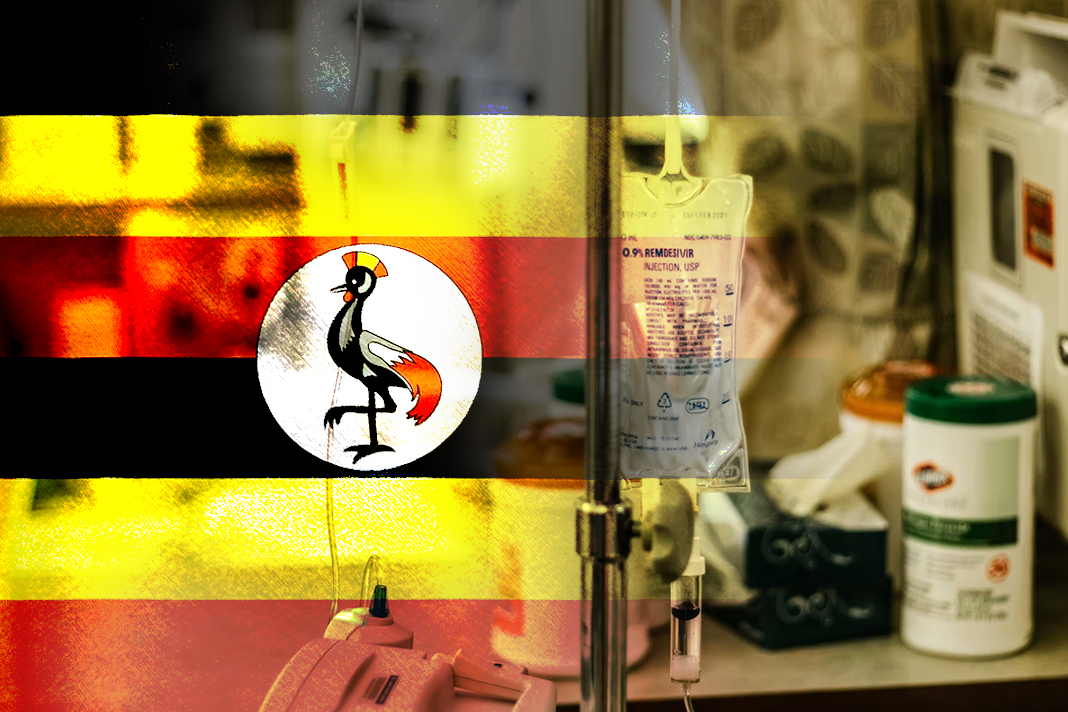
Feature image: Image for illustrative purposes only. Artwork adapted from unsplash.com
DISCLAIMER
JOY! News is a Christian news portal that shares pre-published articles by writers around the world. Each article is sourced and linked to the origin, and each article is credited with the author’s name. Although we do publish many articles that have been written in-house by JOY! journalists, we do not exclusively create our own content. Any views or opinions presented on this website are solely those of the author and do not necessarily represent those of the company.