Interview with Dr. Pearl Kupe; A Million Women South Africa
Article originally published in the November 2026 of JOY! Magazine
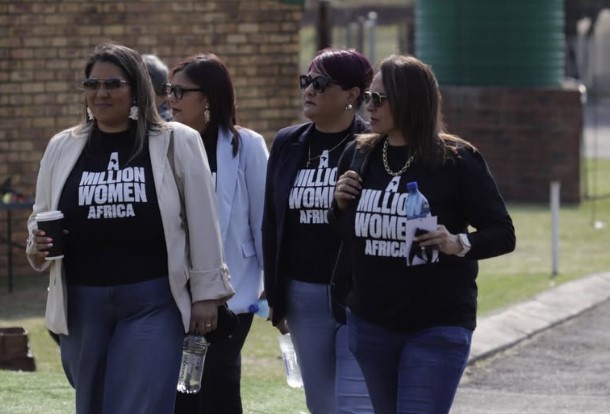
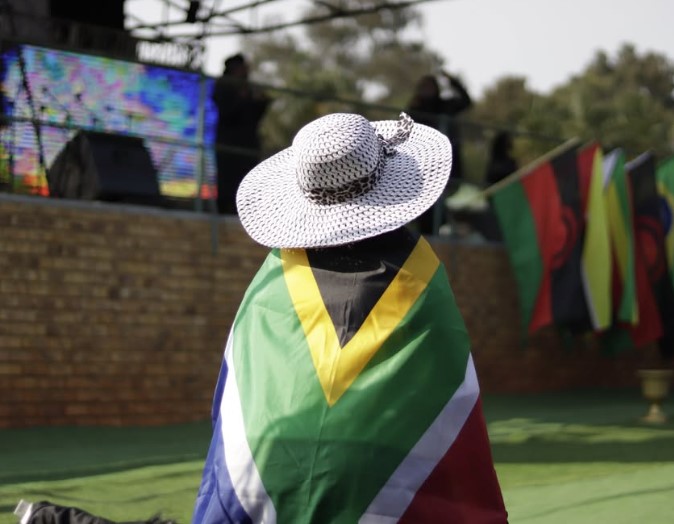
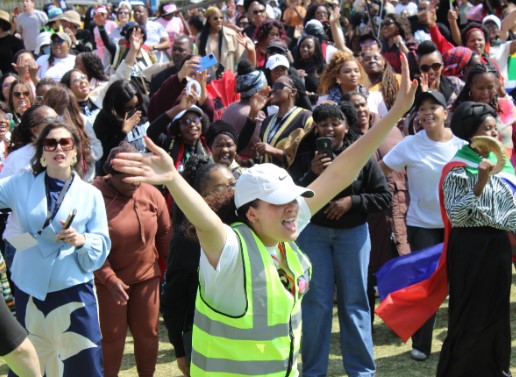
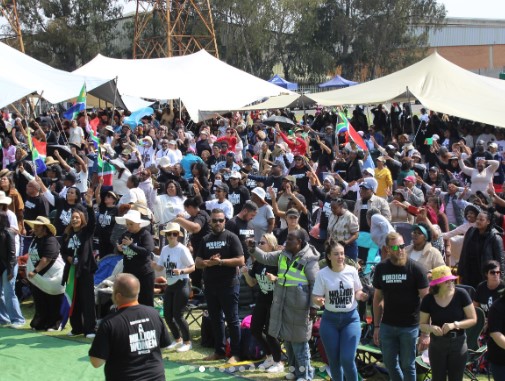
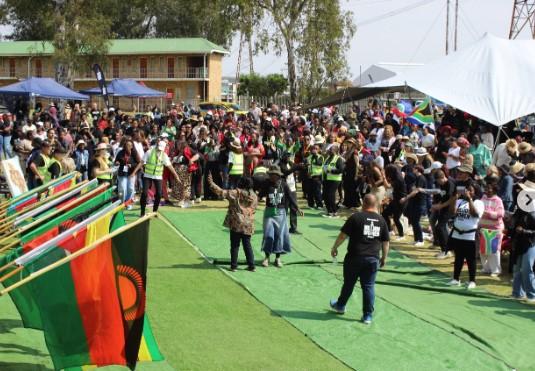
For months, JOY! readers have followed the growing call to prayer. Over many issues, Pearl Kupe has written about revival, repentance, the wailing women of Jeremiah 9, the Esthers and Mordecais of our generation, and the need for believers to stand in the gap for South Africa. Then, on 19 September, that call became a gathering as more than 5500 people came together at Mount Zion, Beula Park, in Johannesburg for the A Million Women Solemn Assembly. They came from across South Africa and beyond our borders to fast, worship, repent, take communion, and pray. It was a significant day, but perhaps the most important question now is not simply what happened there. It is what we do next.

Seven hours in His presence
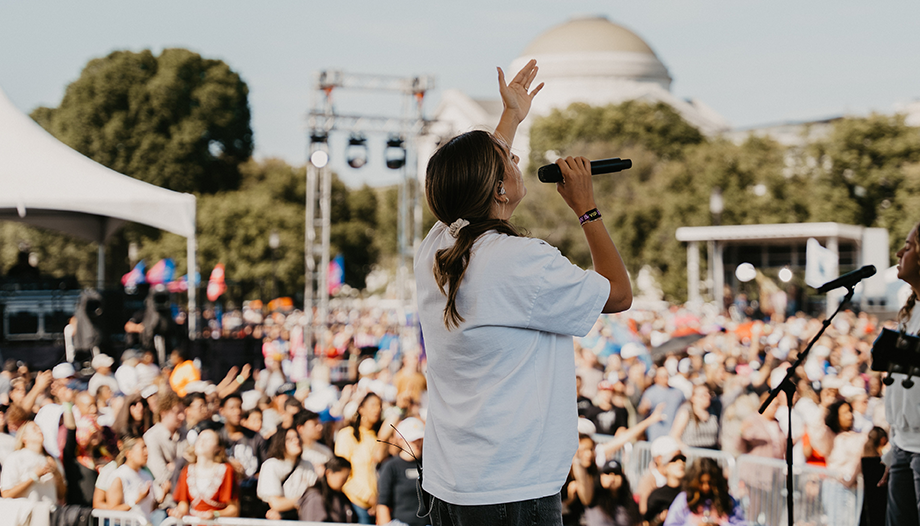
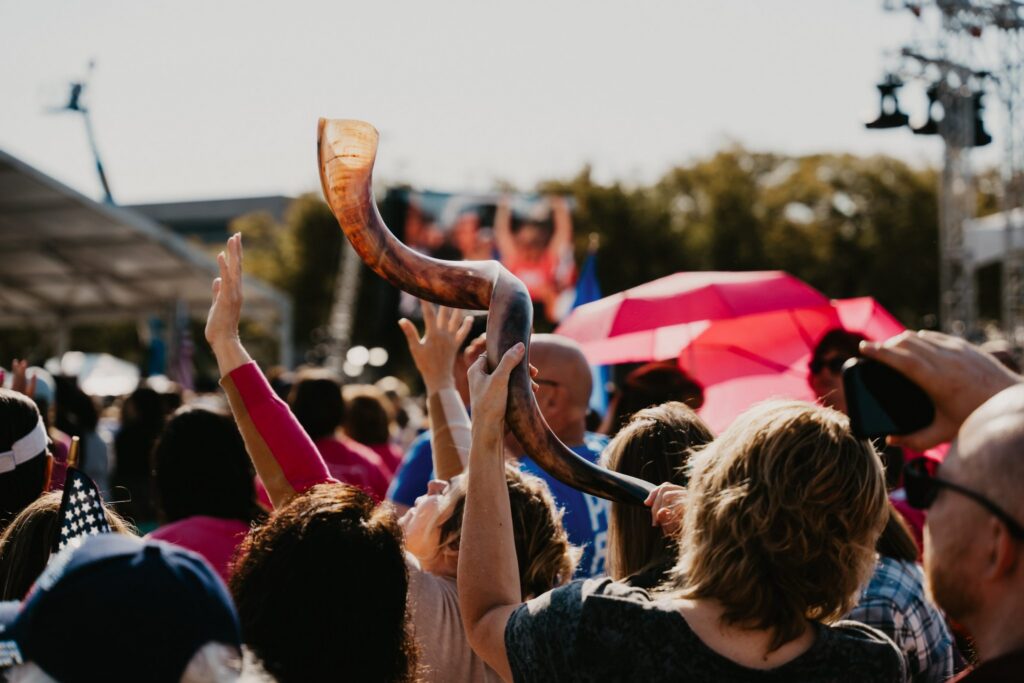
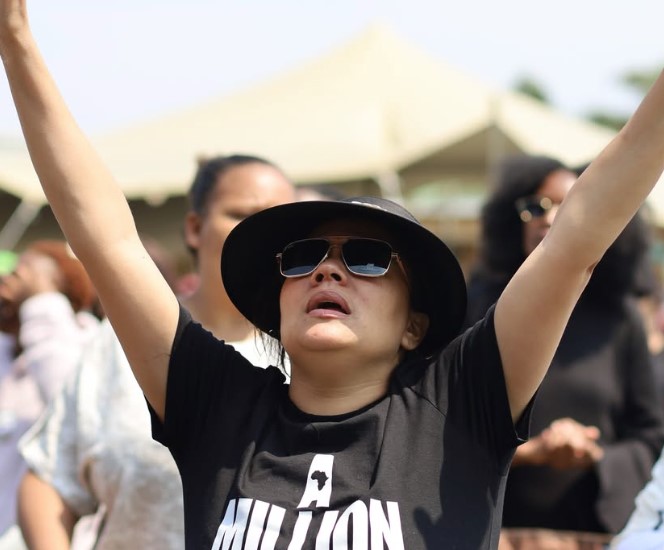
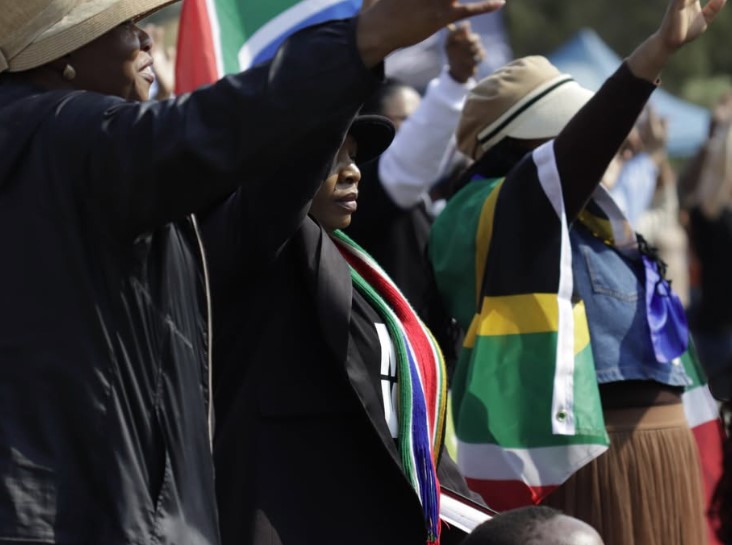
Pearl described the day in simple but powerful terms: “For seven hours we prayed, made decrees, worshipped the Lord, and made prophetic actions as directed by the Spirit of the Lord!” Seven hours is a long time to remain in prayer and worship, and there had been concerns that people might grow tired and leave. They did not. “Some thought that the people would tire and leave, but they stayed and were arrested and convicted by Holy Spirit,” Pearl shared. This was not intended to be another Christian event built around entertainment, personalities, or spectacle. A Million Women had called for a solemn assembly, drawing from Joel 2 and its call to return to the Lord, consecrate a fast, and gather the people.
It was never about the numbers
The role of a wailing woman was a specialised profession that required training. According to Hebrew practice, certain women were trained to become professional mourners and were hired to publicly express grief during funerals or national disasters. These women were highly skilled in what was meant to be a practice that provoked families to shed tears and cry when the burden of grief had become too overwhelming for them.
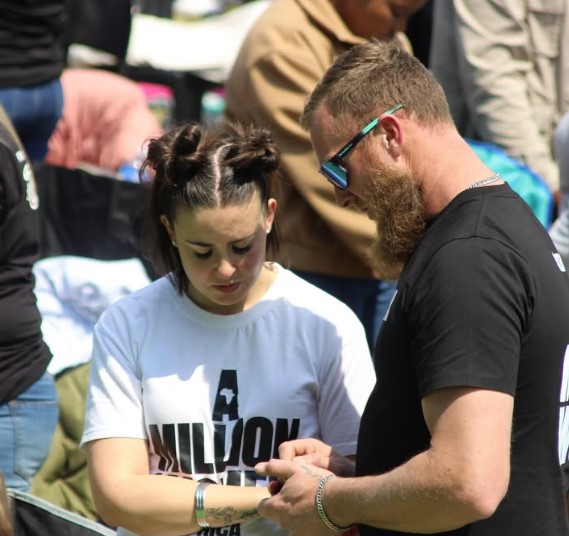
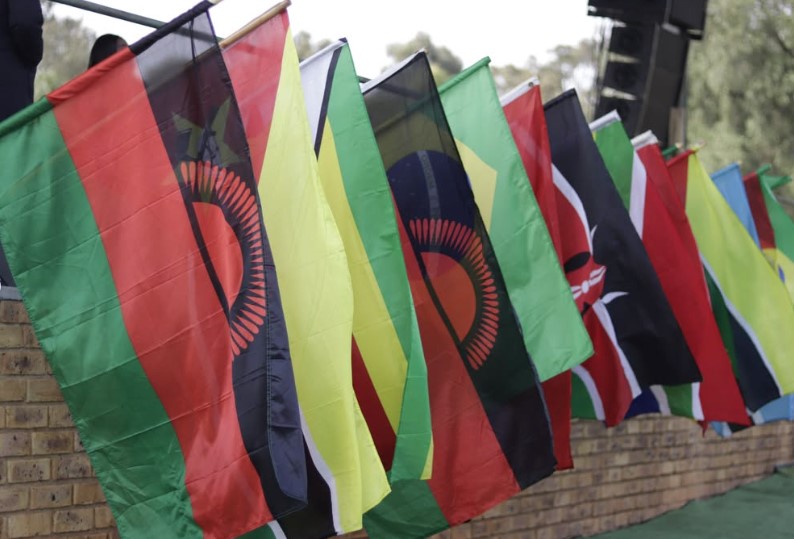
All nine provinces were represented, and people travelled by bus, plane, Uber, and car. International visitors came from the USA, Brazil, Uganda, Namibia, Botswana, Nigeria, Kenya, Rwanda, Zimbabwe, and other nations to stand with South Africa in prayer. Yet Pearl was clear that attendance was not the measure of success. “The goal was never about numbers, but the numbers came and the best part is that God was glorified and the Name of Yeshua was lifted up.” The purpose of the gathering was not to prove anything to anybody. It was to seek the Lord.

Prayer in a place of pain
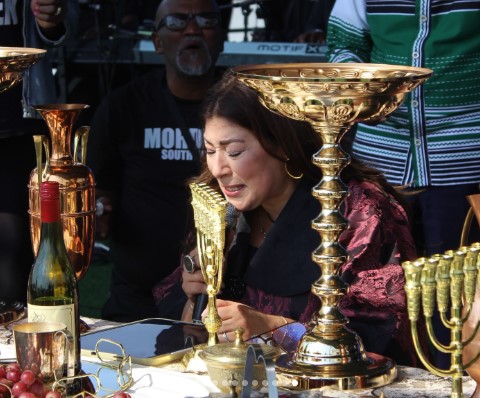
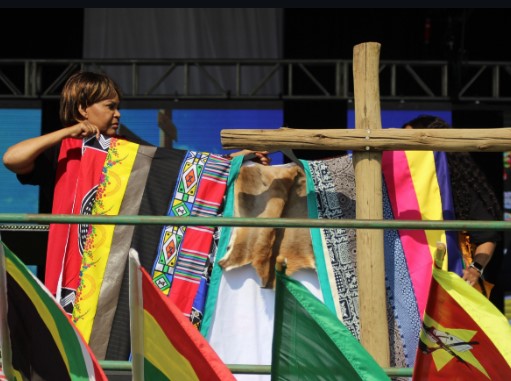
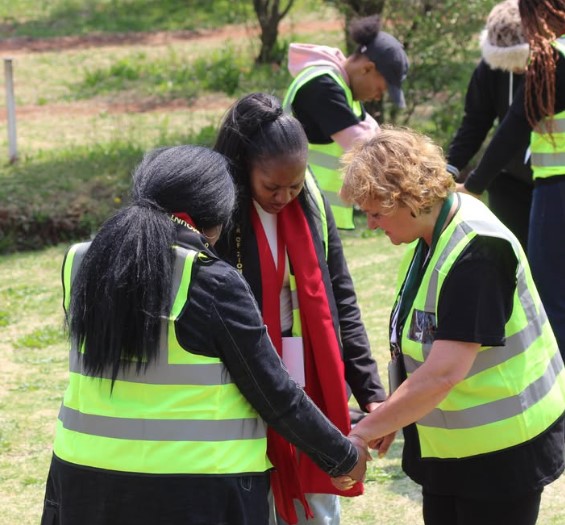
The gathering also carried a deep awareness of the pain in our nation. In the surrounding area, nine women had recently been brutally murdered, and the assembly intentionally prayed there. “We prayed in the area where nine women were recently brutally murdered,” Pearl shared. “We repented, took communion, and raised up a specially made unity garment sewn with the materials of all tribes of South Africa and put it on a cross.” The act was symbolic in a nation that knows the wounds of violence, division, racial pain, and bloodshed. Prayer does not deny these realities or pretend that everything is well. Biblical intercession brings our sin, grief, wounds, and need before God.
Where are the wailing women?
Earlier this year, Pearl challenged JOY! readers with the question, “Where are the wailing women?” Drawing from Jeremiah 9, she spoke about women who would lament and intercede when a nation was in crisis. Her challenge was not simply that Christians should be distressed by what we see around us, but that we should respond before God. South Africans have many reasons to feel discouraged. We see violence, corruption, broken families, unemployment, addiction, racial tension, and a generation of young people searching for identity and hope. We can talk endlessly about these things, complain about them, or grow numb to them. Prayer offers another response. It brings us before the One who alone can transform hearts.
Unity at the Cross
One of the striking prophetic actions of the day involved the specially made unity garment, sewn with materials representing the tribes of South Africa and placed on a cross. South Africa understands division. Our history still carries deep scars, and our present is not free from racial suspicion, political hostility, cultural tension, and accusation. Sadly, the Church has not always escaped these divisions either. Yet throughout the mobilisation for A Million Women, unity has remained a central theme. Pearl has previously written that unity does not require complete agreement, but rather an alignment of heart and mission. We come from different churches, cultures, languages, generations, and histories, but at the Cross, we come on the same basis: the Blood of Jesus Christ.
Revival begins with repentance
The call to revival has been woven through Pearl’s writing in the months leading up to the assembly. We cannot manufacture a move of God. No event, platform, personality, programme, or large crowd can produce revival. God is sovereign. Yet Scripture repeatedly shows God’s people humbling themselves, turning from sin, seeking Him, and crying out for mercy. The familiar promise of 2 Chronicles 7:14 begins with “My people”. Before we ask the Lord to change South Africa, there is a much more personal prayer we must be willing to pray: Lord, begin with me.
The Esthers and Mordecais of this hour
Although the movement is called A Million Women, men were intentionally welcomed as Mordecais alongside the Esthers. The imagery comes from the book of Esther, where a nation faced destruction, Mordecai recognised the seriousness of the hour, and Esther was confronted with a costly decision. The phrase “for such a time as this” is often used as an encouraging Christian slogan, but Esther’s moment was anything but comfortable. She was being called to courage, fasting, obedience, and responsibility. There is a similar challenge for every believer today. We may not stand before kings, lead national prayer movements, or speak from public platforms, but every one of us can stand in the gap for our families, communities, churches, and nation.
Prayer belongs in ordinary places
The power of a national gathering is that thousands of people can stand together in one place and lift their voices to God. Yet the real test comes afterwards, when everyone goes home. South Africa does not only need prayer on large stages. We need prayer in kitchens, lounges, churches, classrooms, offices, farms, hospitals, university residences, and quiet bedrooms before the day begins. We need mothers and fathers who pray over their children, pastors who pray for their congregations, business leaders who seek God for wisdom, young people who refuse to be swept along by the spirit of the age, and Christians who pray faithfully even when nobody else sees it.
Do not leave prayer to someone else
It is easy to read about people like Pearl, national prayer gatherings, or large movements and think that intercession belongs to a particular kind of Christian. It does not. Every believer is called to pray. You can pray for our schools and universities. You can pray for the safety of women and children. You can pray for our leaders, whether or not you agree with them. You can pray for racial reconciliation and healing. You can pray for churches to remain faithful to Scripture. You can pray for marriages and families. You can pray for young people to encounter Jesus. You can pray for salvation, revival, and a fresh hunger for the Word of God. Most importantly, you can keep praying when there is no crowd around you.
This must be a starting line
The South African A Million Women movement has described the Solemn Assembly as a starting line rather than the end of a campaign, and that is perhaps the most important way to understand what happened. Large gatherings can encourage and strengthen us. There is something deeply moving about thousands of believers worshipping, repenting, and interceding together. But South Africa does not simply need another memory of a Christian gathering. We need believers who will carry what happened there into ordinary life. If the altar of prayer was rebuilt for one day and abandoned the next, very little has changed. The call is to continue.
‘You showed up’
Pearl ended her message after the assembly with a line that captured both gratitude and wonder: “A big thank you to South Africa! You showed up, and better still, God showed up.” This should stir us to ask where we need to show up now. Perhaps it is at the bedside of a struggling child, in an early morning prayer meeting, beside a friend who has lost hope, or alone with God before the rest of the household wakes. Perhaps it is time to fast, repent, forgive, reconcile, or begin praying again for something we had almost given up on.
The call has not ended
The Solemn Assembly has ended, but the call to prayer has not. We cannot leave prayer to movements, conferences, or particular intercessors. South Africa needs a praying Church, not simply a Church that attends prayer events. The invitation is still before us: humble ourselves, seek His face, turn from our wicked ways, and pray. The gathering may be over, but the altar must remain. May what began in thousands of hearts that day continue in homes, churches, and communities across this nation, and may Jesus Christ remain at the centre of it all.

This article appears in the November 2026 issue of JOY! Magazine. Read the digital version of this magazine here: joygifts.co.za
Click here to KEEP UPDATED on the latest news by subscribing to our FREE weekly newsletter.
> Please support Christian media and journalism in South Africa. Help us to spread the Word of God and take a stand for the truth by making a donation to our ministry. We appreciate your support. Click here to take hands with JOY! Magazine.
Date published: 25/10/2026
Feature image: Sourced from article originally published in the November issue of JOY! Magazine
DISCLAIMER
JOY! News is a Christian news portal that shares pre-published articles by writers around the world. Each article is sourced and linked to the origin, and each article is credited with the author’s name. Although we do publish many articles that have been written in-house by JOY! journalists, we do not exclusively create our own content. Any views or opinions presented on this website are solely those of the author and do not necessarily represent those of the company.