


Written by: Savtri Hensman
Article source: www.churchnewspaper.com
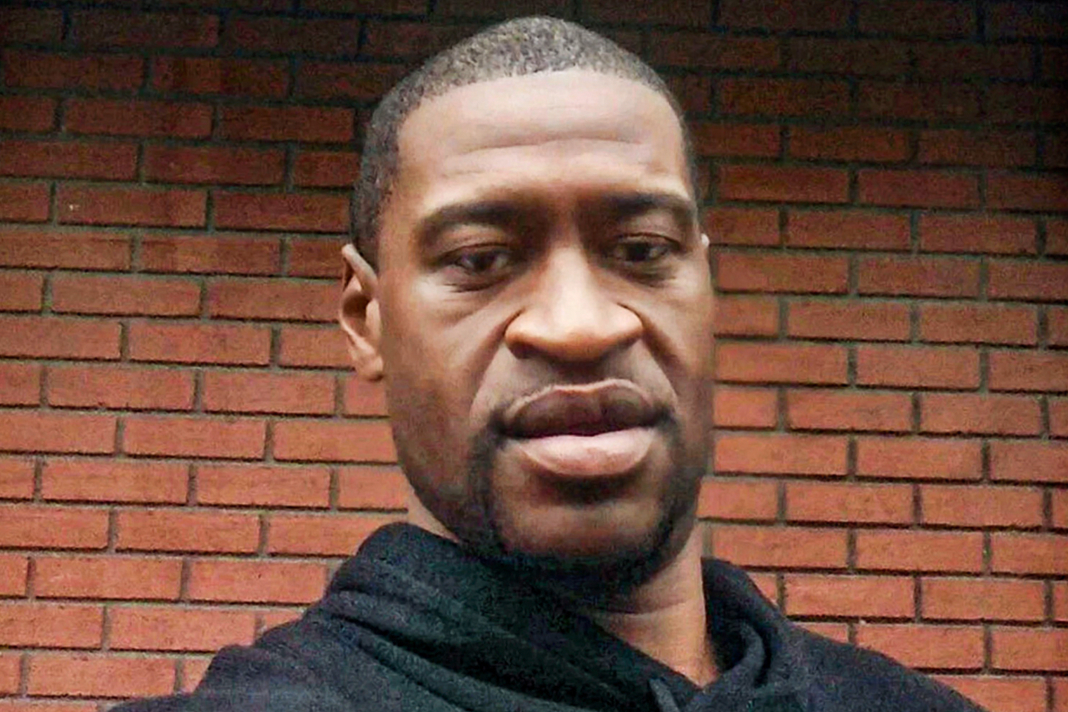
The horrific killing of George Floydon 25 May by Minneapolis police sparked protests in the USA and across the world. For 8 minutes 46 seconds, this 46-year-old black man was pinned to the ground with a knee on his neck, though he repeatedly said, “I can’t breathe.” Many other unarmed African-Americans had died at the hands of policeor vigilantes earlier in 2020 and previously.
In addition to video footage of his last moments, photographs of him in earlier, happier times were also widely seen. In one he holds a Bible aloft, as a Christian whose faith turned his life around and sought to build peace in his poverty-stricken neighbourhood; in another he carries his young daughter, Gianna.
An especially disturbing aspect of his death was that the officer kneeling on his neck, Derek Chauvin, seemed unbothered by being filmed. That this might result in his imprisonment or at least ending up jobless, loss of the goodwill of those he relied on or the good opinion of those he respected, did not deter him. And if not for the storm of publicity, he might have got away with it with few negative consequences.
Too many white Americans, including Christians, have largely failed to notice their neighbours’ suffering. This has roots in the era of segregation, lynching and before that slavery, as well as other historical episodes of racism. Some modern scenes echo those of a past when people were treated as property, to be bought, sold, broken or discarded.
Yet people of diverse ethnic groups have campaigned for justice in this case and more generally. This has already had some effects, though there is still a long way to go. Church leaders have played a prominent part in the movement for change.
How can people, often kind in other ways and sincere in their religious beliefs, just not notice what is in plain view? Especially if they commit themselves to following Christ’s teaching and example of generous (Matthew 5:43-48) and sacrificial love (Matthew 15:12-13) and caring for him in the least of his brothers and sisters (Matthew 25:312-46)?
At the beginning of Exodus, there is no sign that many Egyptians are upset by the cruel exploitation of Hebrew slaves. If the pharaoh reigns supreme, protesting might seem risky and pointless. However, he takes the trouble to win popular support by stirring up the dominant ethnic group members’ fear of their neighbours (Exodus 1:8-14), so harshness is portrayed as sensible and patriotic.
Treating majority ethnic Egyptians as accomplices in hurting and humiliating those different from themselves may be a smart move. In Genesis, when God asks Cain about the whereabouts of his brother Abel, whom he has murdered, Cain famously retorts, “am I my brother’s keeper?” (Genesis 4:1-16). Not acknowledging wrongdoing in which we feel implicated can be a way to protect ourselves against feeling guilty. Common beliefs and cultural practices may also reinforce the notion that others’ pain is their own fault or discourage communication about distressing experiences.
Too many white Americans, including Christians, have largely failed to notice their neighbours’ suffering
In fact, even the enslaved seem largely to have accepted their lot. Later, when God has set them free and Moses is leading them through the desert, some grumble and hark back to the good old days when they were fed by their owners, until they are given manna from on high (Exodus 16:1-15).
However there is underground resistance, including by the Hebrew midwives, Moses’ mother and sister and, remarkably, the pharaoh’s daughter (Exodus 1:15-2.10). She hears the cry of a baby boy hidden near the river and adopts him in defiance of her king and father (whom she is meant to obey), placing him under her protection while allowing his birth family to raise him.
And this small act of compassion and concession to the demands of justice has dramatic consequences.It turns out that God has heard the cries of those groaning under slavery (Exodus 2:23-25) – and takes decisive action.
Elsewhere in the Bible, the book of Amos proclaims God’s presence in the liberation of other oppressed peoples (Amos 9:7). Those responsible for other forms of injustice too, from the exploitation of the poor under a veneer of piety (Amos 2:6-8, 5:11-12) to the violence of empires, are also called to account.
Some people dislike the slogan “Black Lives Matter”, arguing that all lives matter, which of course they do. The issue is recognising that some people are endangered in a specific way and doing something about it. If I join in calls to ‘save the rhinos’ because they risk extinction, this does not mean I care nothing about my friends’ beloved household pets.
When people in the USA deny the extent to which racism damages or destroys their neighbours’ lives, ancient wisdom as well as knowledge of social sciences and psychology may help to explain this.
Seeking greater equality in the UK
Of course, the human capacity to avoid noticing that others are being victimised or excluded is not confined to one country or one type of disadvantage or discrimination. Since George Floyd’s death, many in the UK too have drawn attention to racism in different walks of life, from the criminal justice system to the churches.
Covid-19 has affected people across UK communities but the death rate has been especially high among those who are disabled, on low incomes and/or minority ethnic. Various forms of inequality, subtle or blatant, leave many people especially vulnerable and may encourage them to devalue their own worth. Failure to care in practically ways for the excluded causes spiritual damage even to those not directly affected, for “Whoever does not love abides in death… let us love, not in word or speech, but in truth and action” (1 John 3.14-18).
Yet recent events have jolted millions worldwide into a new awareness and commitment. The New Testament reminds us that physical death is not defeat and that God may work powerfully through the lowly and marginalised (1 Corinthians 1.26-31). As George Floyd’s six-year-old Gianna said, “Daddy changed the world.”.
Click here to KEEP UPDATED on the latest news by subscribing to our FREE weekly newsletter.
Date published: 14/07/2020
Feature image: George Floyd
DISCLAIMER
JOY! News is a Christian news portal that shares pre-published articles by writers around the world. Each article is sourced and linked to the origin, and each article is credited with the author’s name. Although we do publish many articles that have been written in-house by JOY! journalists, we do not exclusively create our own content. Any views or opinions presented on this website are solely those of the author and do not necessarily represent those of the company.



 sparked protests in the USA and across the world.For 8...)