


Written by Gillian Fraser
Article originally featured in JOY! Magazine June 2026
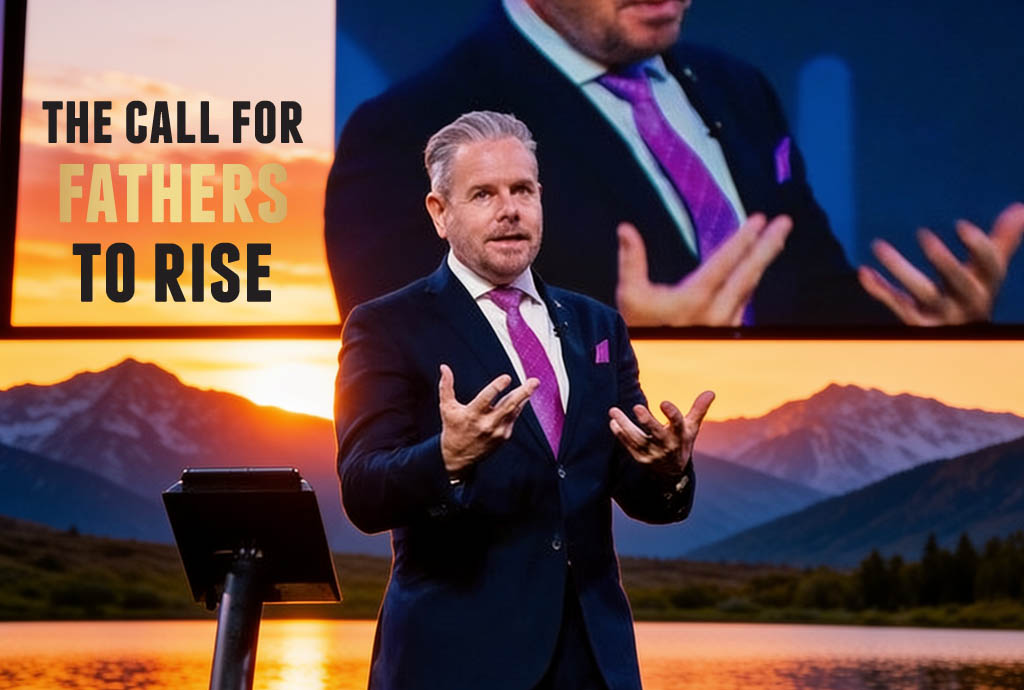
For Bert Pretorius, ministry has never been about platform or position, but about walking closely with God and faithfully stewarding what He has entrusted. Whether speaking about family, fatherhood, or the state of our nation, his answers reflect a consistent thread – that everything begins with relationship, first with God, and then at home. In this conversation, he shares honestly from his own journey, offering wisdom for men, families, and the Church in a time where both faith and identity are being tested.
Q. You’ve led at a high level for many years – what has kept your faith from becoming functional rather than deeply personal?
It has been a continual awareness of my absolute dependence on Jesus. In leadership, there is a real danger of becoming effective outwardly while drifting inwardly. You can prepare sermons, lead teams, build structures, and yet slowly lose the simplicity of walking with God. I’ve had to guard against that by prioritising relationship over responsibility.
For me, that means time with God is not primarily for preparation – it is for connection. It’s where my motives are checked, my heart is aligned, and my identity is grounded – not in what I do, but in who I am in Him. Also, staying engaged with real needs has helped keep my faith alive. When you stand in front of brokenness, whether it’s poverty, pain, or crisis, you are reminded that this is not theory – this is real. That keeps your walk with God personal, because you know you need Him every single day.
Q. Was there a season where your faith was tested in a way that stripped everything back – what did God deal with in you there?
Yes, there have been multiple seasons where God allowed things to be stripped back. In those seasons, God dealt with areas of self-reliance, pride, and misplaced identity. Even in ministry, it is possible to draw your sense of worth from what God is doing through you, rather than who you are in Him.
God brought me back to a place of surrender – where it was no longer about platform, results, or recognition, but about obedience. He reminded me very clearly that He is Lord, not just Saviour.
Why do we do what we do? Is it truly for Him and for people, or has something else crept in? That kind of testing removes what is superficial and strengthens what is real.
Q. In private, when no one is watching, what does your walk with the Lord look like?
My walk with the Lord is centred on staying close and surrendered. It involves daily time in the Word – allowing Scripture to confront, correct, and shape my thinking. The Word is not something I prepare from; it is something I live from. Prayer is very real and honest. It’s not about presenting something polished – it’s about bringing everything before God: decisions, burdens, and questions. There’s also a place of listening, not just speaking. It’s also a continuous awareness that He is God – those arrow prayers, bringing decisions to Him, and yielding my responses. Walking with God is not confined to a devotional time; it’s a daily relationship.
Q. What has fatherhood exposed in your own heart that you did not expect?
Fatherhood has exposed areas in my own heart that I didn’t fully see before – especially around patience, consistency, and selflessness. Fatherhood is not just a role – it is a reflection of the Father heart of God. And that means your responses, your presence, your words, and your leadership all matter deeply.
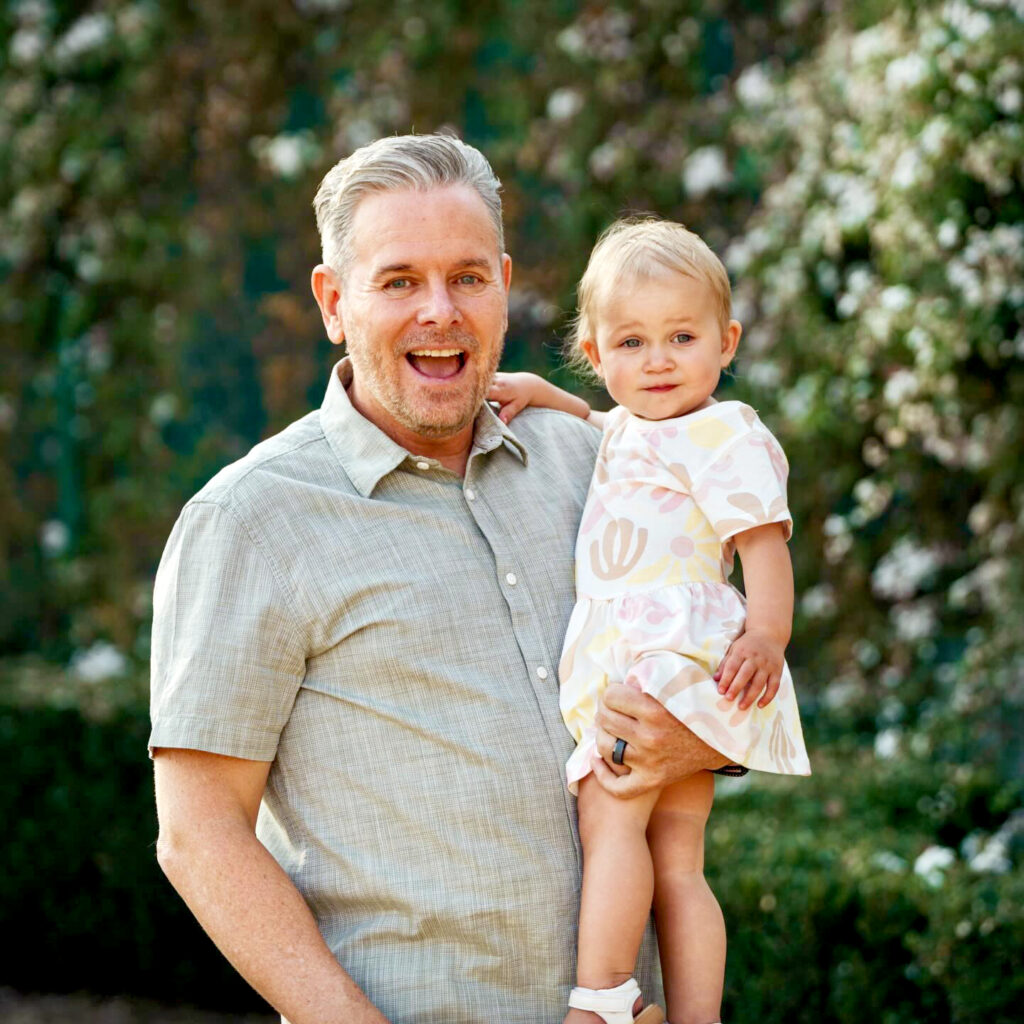
My children and grandchildren have revealed where I am truly aligned – or not aligned – with that. Fatherhood exposes your private life. It reveals how you respond under pressure and whether your love is consistent or conditional.
It has deepened my understanding of God. As a father, you begin to grasp something of His heart – His grace, His discipline, His patience, and His unwavering commitment to His children. I’ve become more aware that the enemy will always try to attack that space – through busyness, distraction, or pressure. So fatherhood has taught me not only to lead, but to guard – to intentionally build and protect what God has entrusted to me.
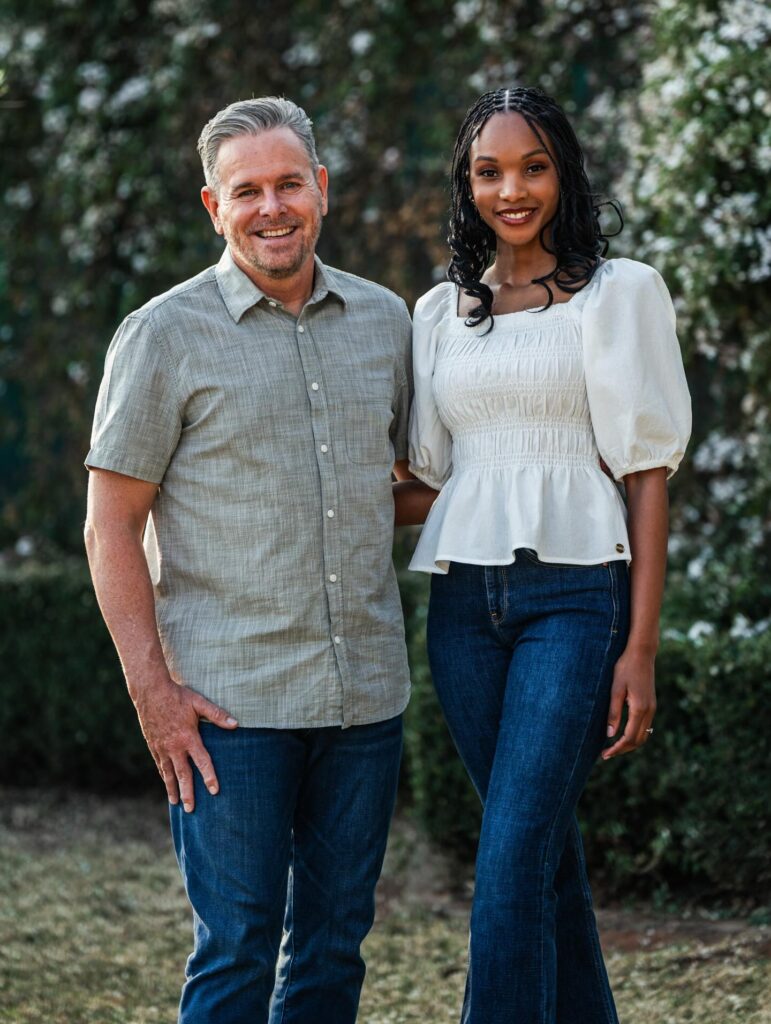
Q. Your children have grown up in the context of a large, visible ministry – how did you guard them from pressure, performance, or comparison?
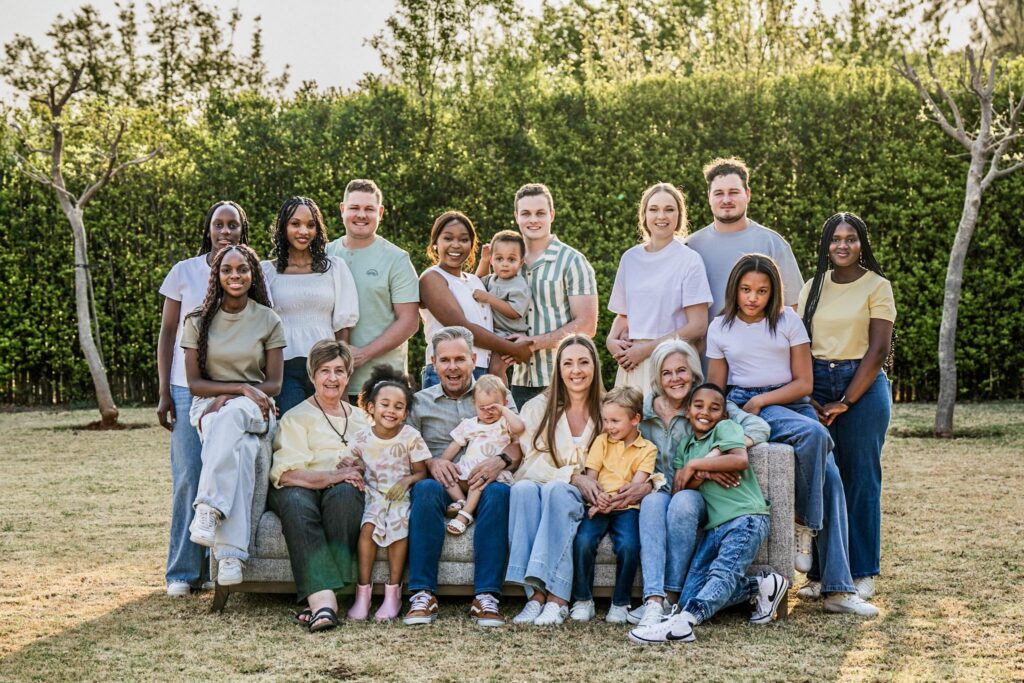
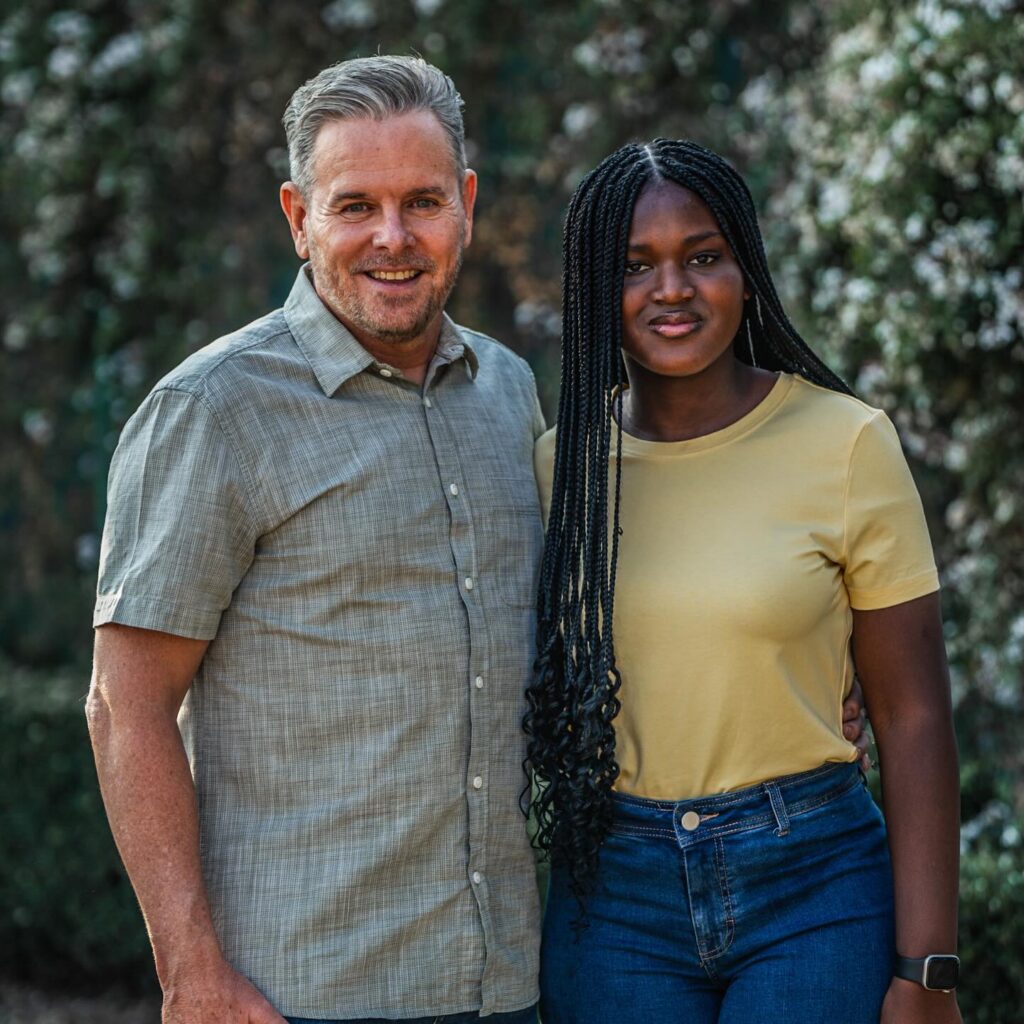
We were intentional about keeping one thing clear: their identity is not in the ministry or in their gift or talent – it is in Christ and rooted in family. Especially with the understanding that we are a blended family. Our children were never expected to perform or meet external expectations because of the ministry. Rather, we teach them to love God, modelling what that looks like, ensuring they develop a personal relationship with Him. They had to encounter Christ for themselves – not live off our faith.
We prioritised building a healthy family environment where they feel secure and valued for who they are – not for what they do. Open communication is key. We spoke honestly about pressures and expectations, and we helped them process in a healthy way.
But ultimately, it comes back to this: ministry starts at home. If your children feel like they are competing with the ministry, something is wrong. So we made sure they never had to compete – they were always a priority. Our goal was not to raise children who fit into a ministry – but to raise sons and daughters who know who they are in God, and who can live out that identity with freedom and confidence.
Q. What does fatherhood mean to you?
Fatherhood is about building for the next generation. It is the responsibility of shaping identity and establishing values in a secure, stable environment. A father is called to be present, to guide and model what it means to live with integrity and faith. A father affirms worth, speaks life, and provides discipline. He lays foundations – spiritual, emotional, and moral – that his children can stand on. It’s not about perfection, but intentionality and consistency.
Q. When you look at South Africa, what do you believe fatherlessness is really costing us as a nation?
Fatherlessness is costing us the moral and relational foundation of our society. With over 60% of children growing up without their biological fathers, we are seeing the consequences in identity crises, broken families, and rising social challenges. Gender-based violence and crime are part of that reality.
When boys grow up without a model of manhood, they often develop distorted views of masculinity. When girls grow up without affirmation, they are more vulnerable to seeking identity in unhealthy places. Fatherlessness is not just the absence of a person – it is the absence of guidance, protection, and identity.
Q. Many people struggle to relate to God as Father because of their earthly experiences – how do you help someone rebuild that picture?
You have to help people separate their experience from the truth of who God is. For many, the word “father” carries pain – absence, rejection, abuse, or disappointment. When someone grows up without a healthy model of fatherhood, it often distorts their view of God and their understanding of identity. People grow up “orphaned” – not always physically, but spiritually – shaped by dysfunction rather than design.
We take people back to Scripture to show them who God truly is: faithful, present, consistent, and loving. Jesus didn’t just say “go to church” – He said go and make disciples. True discipleship is not just teaching truth; it is walking with people, restoring identity, and modelling what healthy, Godly relationships look like.
The Bible speaks directly to this in James 1:27 – that pure and genuine religion before God is to care for orphans. That includes those who are spiritually orphaned. So we don’t just preach about the Father – we demonstrate His heart. Through community, consistent love, mentorship, and discipleship, people begin to experience something different. As they encounter that through God’s Word, His presence, and His people, their understanding begins to heal. The distorted image is replaced with truth. God is able to restore what was broken and reveal Himself as the perfect Father.
Q. What does it look like for a man to carry the Father heart of God in his home?
It looks like consistent, intentional presence. A man is not just leading a household – he is representing the Father heart of God in that space. That means his life must communicate love, security, and truth. It’s being present – not just physically, but emotionally and spiritually. It’s leading by example, not just instruction. It’s speaking life, affirming identity, and setting boundaries, creating an environment where your family feels safe and valued.
It also means modelling true, Christ-centred masculinity – not dominance or control, but love, sacrifice, responsibility, and integrity. Many have grown up with distorted views of manhood because of fatherlessness or dysfunction, so what a man models in his home becomes critical in restoring that picture.
It’s also humility – being willing to apologise, to listen, and to grow. Your children don’t need perfection, but they do need authenticity and consistency. It’s discipleship in the home – walking with them, teaching them, and modelling what it means to follow Christ.
Q. If a father realises he has been absent or has made serious mistakes – what is the first step towards restoration?
The first step is humility and ownership. You cannot restore what you won’t acknowledge. It starts with recognising where you have been absent, passive, or wrong – and bringing that honestly before God. It also involves, where possible, going to your family and taking responsibility.
Many men carry shame, especially if they themselves grew up without a father or in dysfunction. But the cycle can be broken. You may not have had a model, but you can become one. Restoration doesn’t happen in isolation – the Church has a responsibility to walk with men, to guide, support, and help rebuild what was broken. From there, it’s repentance – a change in direction – and then consistency. Trust is rebuilt over time through faithful, steady presence.
Restoration is possible. Legacies can be rewritten. What was broken can be rebuilt. And through God’s grace, a man can move from absence to presence, from passivity to purpose, and from regret to redemption.
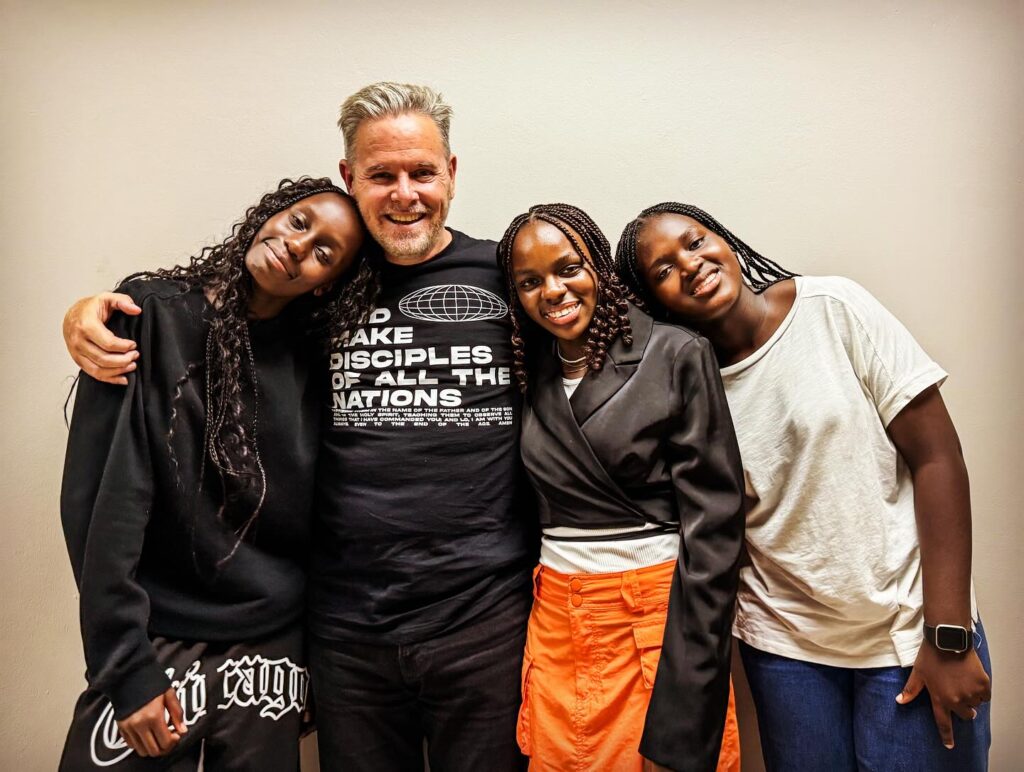
Q. When did you realise that preaching alone was not enough, and that the Church had to respond in tangible ways?
That realisation came very early in my ministry, and it fundamentally changed my understanding of the Gospel. About three decades ago, I visited a township and saw young children lying on the ground, passed out from malnutrition. I went home and started cooking pap on the stove, but by 3:00 I realised I could never make enough to feed 800 children. But I took what I had – and that’s where it started. The Gospel cannot remain theoretical. It has to touch real need.
When I read the words of Jesus in Luke 4:18 – that He was anointed to preach the Good News to the poor – you cannot separate preaching from practical care. You cannot speak hope into someone’s life while ignoring their immediate reality. It was a step of faith – stepping outside what was expected. But it became clear that true ministry is not just about proclamation, but demonstration.
You help, whether you have or not. We have always served people, regardless of our own circumstances. Preaching ignites faith, but love must be demonstrated. The Church is called not only to speak the Gospel, but to live it – to serve, to give, and to meet people where they are.
Q. What led to the founding of the South African Community of Faith-Based Fraternals and Federations (SACOFF)?
SACOFF was born out of both need and lived experience. For many years, the Church in South Africa had significant reach and influence, but its voice was often fragmented. Many churches and organisations were doing powerful work, but there wasn’t a unified platform to engage meaningfully with national issues.
The real turning point came during the COVID season. Through our disaster relief work with the Mahlasedi Foundation, we distributed large-scale food aid into some of the most rural and hard-to-reach areas of our country. What made that possible was not just structure – it was relationship. Over three decades, we had built strong, trusted connections with pastors and churches across the nation. Those relationships became the channel through which help could flow effectively and with accountability.
It also brought a sense of unity within the Christian community. Churches from different backgrounds and denominations came together around a single purpose: to serve people. We realised that if unity could be achieved around disaster relief, it was also needed for broader national issues – religious freedom, social justice, ethical leadership, and the well-being of our nation.
Q. SACOFF represents a wide network of churches and organisations – what does it stand for?
At its core, SACOFF stands for “many voices, one heart”. It is not just an organisation – it is a movement of unity and action. What we saw during COVID confirmed something powerful: when the Church unites around a common purpose, it can reach places others cannot, serve people at scale, and do so with integrity. That same principle now drives SACOFF beyond disaster relief into broader national transformation.
SACOFF stands for unity without uniformity – bringing together diverse churches while aligning around shared values. It stands for faith in action, addressing real societal challenges like poverty, violence, and family breakdown. It also focuses on equipping local churches to serve as agents of change in their communities, while engaging issues of leadership, justice, and freedom.
SACOFF exists to mobilise the Church – to bring churches and organisations together so their collective voice and action can contribute meaningfully to the flourishing of South Africa. When the Church stands together – with many voices, but one heart – it can help shape a nation marked by faith, freedom, justice, and restored communities.


Q. In the current conversations around religious freedom, where do you believe the Church
needs to be alert?
One of the key concerns is the potential erosion of religious freedom under the guise of regulation, which could undermine the very freedoms our Constitution protects. At the same time, we must be clear: the safety and well-being of people in faith communities is non-negotiable. Where there is abuse, it must be confronted decisively. Victims must be protected, and leaders held to the highest moral and ethical standards.
The question is not whether accountability is needed, but how it is achieved. South Africa already has a strong legal framework, and what is needed is not more legislation, but better cooperation between law enforcement, civil society, and faith-based institutions to ensure that justice is applied effectively and fairly.
We remain committed to constructive dialogue with the CRL Rights Commission, government, and other stakeholders. We believe that dialogue, not division, is the path forward.
Another critical area is self-governance within the Church. True accountability within the Church must come from within the faith sector itself – through ethical leadership, peer accountability, and existing frameworks. This strengthens integrity and builds public trust. The concern is when “self-regulation” becomes legislated in a way that introduces state control. That risks eroding the independence of religious institutions and limiting the Church’s ability to fulfil its calling, including its responsibility to speak truth into society.
So the Church needs to be alert, not defensive – but informed, engaged, and proactive. We must uphold integrity within our own spaces while standing firmly for the constitutional right to freedom of religion – the right to believe, to worship, and to serve without undue interference.
Ultimately, the goal is not to resist accountability, but to ensure that it is applied in a way that strengthens – not silences – the voice of faith in our nation. We are committed to walking this journey together – with humility, responsibility, and conviction – believing that faith communities, when free and accountable, play a vital role in building a just, unified, and flourishing South Africa.

This article appears in the June 2026 issue of JOY! Magazine. Read the digital version of this magazine here: joygifts.co.za
Click here to KEEP UPDATED on the latest news by subscribing to our FREE weekly newsletter.
> Please support Christian media and journalism in South Africa. Help us to spread the Word of God and take a stand for the truth by making a donation to our ministry. We appreciate your support. Click here to take hands with JOY! Magazine.
Date published: 19/06/2026
Feature image: Sourced from original article published in JOY! Magazine June issue
DISCLAIMER
JOY! News is a Christian news portal that shares pre-published articles by writers around the world. Each article is sourced and linked to the origin, and each article is credited with the author’s name. Although we do publish many articles that have been written in-house by JOY! journalists, we do not exclusively create our own content. Any views or opinions presented on this website are solely those of the author and do not necessarily represent those of the company.





Pastor Bert you are the most excellent not just a leader but o leader who leads by example. May the heavenly rewarder not pass you by. When I go to Malawi to open my ministry I will definitely call you. My prayer is that God should keep you for me and your family. Regards Pastor Emmanuel ❤️