Written by: Cassy Fiano-Chesser
Article source: www.liveaction.org
South Korea has the lowest fertility rate in the world. Official data released last month showed the country’s fertility rate fell to 0.81 in 2021, even lower than what it was in 2020. Now, the South Korean government is offering incentives to encourage more births. This is a good start, but is it enough?
President Yoon Suk Yeol announced a plan to give each family with a newborn child $740, or 1 million won, every month. After the baby turns one, the amount will be reduced by half, but payments will otherwise continue for another year. Called “parent pay,” the subsidy was put in place to address the country’s demographic winter, which Yoon called a national “calamity.”
The population in South Korea, like in many Asian countries, is rapidly aging as adults choose to have fewer children. One island notably has just three children left. Yet much of the demographic crisis is, like in Japan and China, due to population control policies from decades ago that are still having an effect today.
After the Korean War ended in 1953, the population doubled; the government responded by trying to curb new births. In the 1970s and 1980s, South Korea began heavily promoting family planning policies, including pressure for couples to be sterilized. Couples who were not sterilized were told to have just one child. Today, young adults feel they have to choose between raising children and having a career, and refuse to sacrifice a successful career for a family. News outlets have also published editorials claiming that South Korea is simply not a good place to have children, so to have children is to put the burden of living in a bad place onto them.
Much of the problem with low fertility rates revolves around the elderly population, and how it affects the workforce. South Korea’s elderly population grew by 5% between 2020 and 2021, while the percentage of working adults fell by 0.9%. These population collapses are leading to dire consequences in countries around the world, yet giving people financial incentives to have children does not seem to work.
While supporting new parents with a monthly stipend is a good start, the culture itself needs to value children, and stop sending the message that people must choose between family and career. Until there is a systemic cultural change in South Korean society, it seems unlikely that $750 per month will encourage more people to have children.
Click here to KEEP UPDATED on the latest news by subscribing to our FREE weekly newsletter.
Date published: 20/09/2022
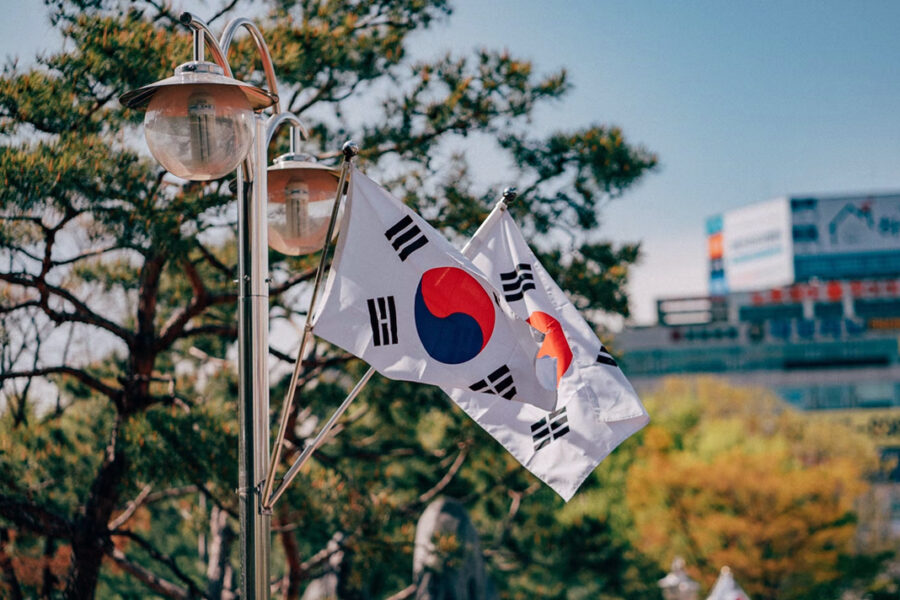
Feature image: Image for illustrative purposes only. unsplash.com
DISCLAIMER
JOY! News is a Christian news portal that shares pre-published articles by writers around the world. Each article is sourced and linked to the origin, and each article is credited with the author’s name. Although we do publish many articles that have been written in-house by JOY! journalists, we do not exclusively create our own content. Any views or opinions presented on this website are solely those of the author and do not necessarily represent those of the company.